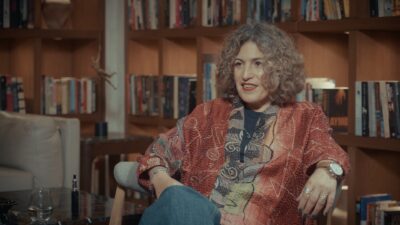
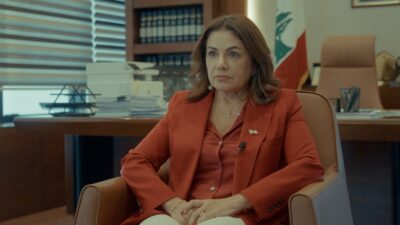
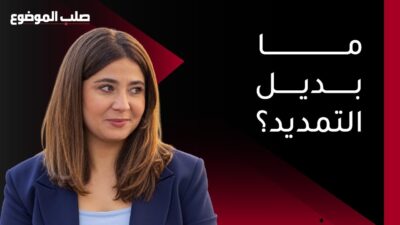
MP Najat Aoun Saliba gave The Speech a long interview. She took on several burning issues. First, she covered the crisis of quarries and crushers. Then she discussed her dispute with Environment Minister Tamara el-Zein. She also spoke about waste, weapons and regional challenges.
Her dispute with the Environment Minister
Saliba denied that she targeted the minister personally. However, she sharply criticized licenses granted for “ten weeks or years.” In her view, nothing guarantees that environmental standards apply. Likewise, no emissions studies are submitted. Because of this, she said, the judicial route is now decisive. It runs through a complaint to the public prosecution.
Meanwhile, the minister invited her to a public debate. Saliba answered: “I neither refused nor accepted. This is populism. I am an MP, and my job is not to go and watch. My job is to oversee and carry people’s voice to the executive authority.”
Legislation and the environment
Next, Saliba reviewed her subcommittee’s work. After three years of research, it prepared a law to protect underwater cultural heritage. It also prepared amendments to the waste law. In addition, it merged proposals to protect forests.
The waste file
Saliba praised the hierarchy that the Cabinet approved under the 2018 law. Even so, she criticized the Environment Ministry’s circulars to municipalities. They set deadlines of only 24 hours. Yet municipalities lack resources and training.
She also warned that the “polluter pays” law is unfair. In her view, it puts a double financial burden on citizens.
Politics, weapons and sovereignty
Saliba described Prime Minister Nawaf Salam’s government as split between “supporters and critics.” She also objected to how the head of the Lebanese University was appointed.
On weapons, she firmly rejected a dual decision-making authority. “The state does not walk with two armies, nor with loyalty to Iran,” she said. In her view, 30 years of policies have sidelined the Lebanese army. Therefore, the state must arm and support it fully, so it can protect the borders.
Finally, she rejected any move to normalize relations with Israel. Lebanese land is still occupied, she said. Moreover, southerners are out of their homes. For her, the solution starts with a strong, united home front.