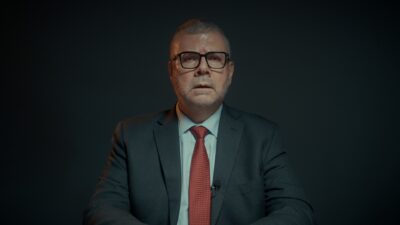
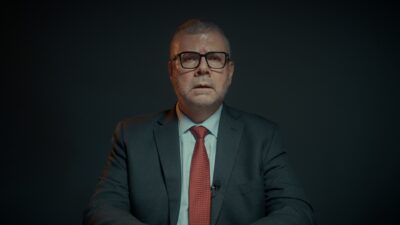
Fouad Debs, the lawyer for the Depositors’ Association, called Lebanon’s financial and economic crisis “internal colonialism.” He said the ruling system bears direct responsibility. It is made up of politicians, bankers and powerful figures. In his view, it destroyed people’s lives and seized their means.
Debs said the crisis is more than numbers. The banks went bankrupt through “fraud and negligence,” he argued. The result has been deep social and economic hardship. Many people cannot pay for their families’ medical care or school fees. Others cannot live with dignity, since their deposits have evaporated and their income has dried up.
On the demographic side, Debs pointed to the emigration of more than 700,000 Lebanese over the past seven years, since the collapse began. Losing so many productive people is a severe blow that will be hard to recover from. Trust in the state and the banking sector is missing.
On the legal front, Debs criticized the lack of accountability. Thousands of lawsuits have been filed against the banks. Yet none has led to fair rulings that hold those responsible to account. He said powerful figures control the levers of money. Meanwhile, ordinary citizens fight over scraps to survive.