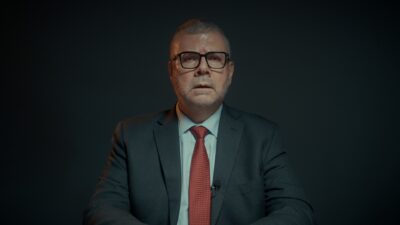
Policy developer Adnan Melki has sounded the alarm on the environmental and health disaster caused by Lebanon’s waste crisis. He warned that about 1,000 illegal dumps and landfills are spread across the country. Many empty their waste straight into the sea, rivers, valleys and forests.
Melki described the direct risks to people. These dumps collect a whole town’s waste. That includes waste from clinics, pharmacies, factories, schools and laboratories. It also includes batteries and heavy metals that pollute soil and groundwater. He said studies show more than 30% of Lebanon’s surface water is now polluted by leachate from this waste.
He also warned of the catastrophic risks when these dumps catch fire, as happened at the Bourj Hammoud landfill and elsewhere. Burning plastic, medical waste and paper produces “persistent organic pollutants” (dioxins). These are extremely dangerous and take hundreds of years to break down. In his words, they cause deaths, genetic diseases and birth defects. He added that studies confirm a clear rise in cancer rates around such dumps.
Melki ended by saying waste is now an emergency that needs radical solutions, not “patchwork” fixes. He welcomed the creation, a few months ago, of the body for solid waste management. He called it a necessary step in the right direction. However, he stressed that it must get the resources to build a real national strategy. Otherwise, Lebanese people will keep paying a heavy price in health and money for poor waste treatment.