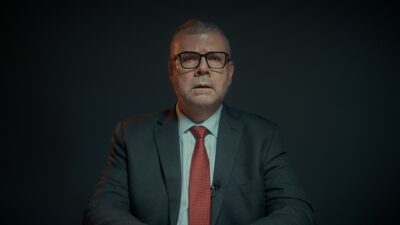
In this video, Adnan Melki exposes the hidden side of Lebanon’s cement crisis. He looks at why imports are banned and how three large companies dominate the market. He also covers the serious environmental and health damage, which leaves the state and the public paying a heavy bill.
Melki walked through the stages of cement production. It starts at the quarries, where raw materials are extracted. The materials are then burned in plants at temperatures of up to 1,400°C to make “clinker.” He warned of serious dangers from dust and cancer-causing substances. He also pointed to harmful fuels such as “petcoke” and waste. According to Melki, the areas around the plants record the highest cancer rates in Lebanon.
On the economic side, Melki explained that the long-standing ban on cement imports was justified as protecting local industry. However, it created a monopolistic “cartel” of just three companies. These companies push prices up to about $400 per ton. To protect this monopoly, any attempt to import faces impossible conditions.
Finally, he pointed out that quarries keep operating and violations continue under political cover. This is despite the State Shura Council annulling government decisions. Transparent, independent oversight is also missing. As a result, calls are growing to break the monopoly. Supporters want clinker imports allowed under standards that protect citizens’ health and environment.