The end of 2026 is approaching, and so is the end of the UN peacekeeping force’s mission in South Lebanon (UNIFIL). The mandate follows a decision issued in 2025. Questions are growing about the region’s fate. There are warnings of a leap into the unknown and of possible escalation across the region.
Who wants what
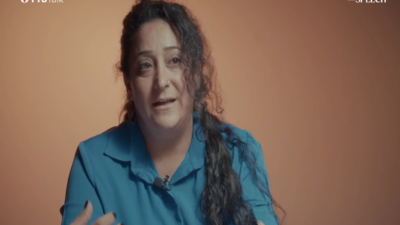
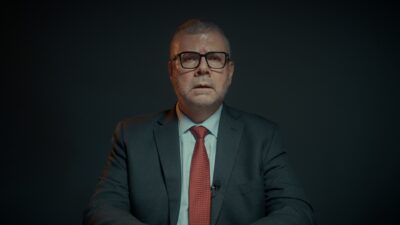
In an analytical report for The Speech, analyst and policy developer Adnan Melki said Israel pushed for the end of UNIFIL’s mission. It had strong US backing. Europe is pulling the other way. The EU, led by France and Italy, wants to renew the mandate. If that fails, it wants a European force to replace UNIFIL. Meanwhile, Melki said, no effective Arab position is visible.
The scenarios
Several scenarios are on the table for the coming period. One is a temporary extension of UNIFIL’s mission. Another is a joint force of the Lebanese army and international troops, with tasks handed over gradually.
All these options remain unclear. Israel still occupies about 10% of Lebanese territory, and the current truce is fragile.
What powers would a new force have?
Opinions also differ on the powers of any future force. Would it only monitor violations? Or would it give Lebanon real protection against repeated attacks?
Observers are waiting for the results of key political events and for shifts in international policy, especially US positions. They say Lebanon wants to keep the UN presence. In their view, the UN gives legitimate cover and acts as an international witness to violations. International condemnation may be only moral. Still, it is better than having no umbrella of legitimacy at all.